

SHOULD FILM DIRECTORS GET ROYALTY ?VICKRAM SURIA VARMA RAISES A QUESTION ON DIRECTORS RIGHTS
Chennai: As the business of cinema continues to evolve beyond theatrical releases, director Vickram Suria Varma has raised an important question for the Indian film industry: Should directors have a contractual share in the long-term commercial value generated by the films they create?
Today, a film can generate revenue through multiple channels, including theatrical distribution, OTT platforms, satellite television, digital streaming, overseas markets, dubbing, licensing, remakes and adaptations. Against this changing landscape, Varma believes the industry should examine whether a director’s financial participation should necessarily end once the agreed directing fee has been paid.
The Director’s Contribution Goes Beyond the Shooting Schedule
According to Varma, directing a film involves much more than managing a shooting schedule. A director interprets the story, develops the cinematic vision, guides actors and performances, and coordinates several creative departments involved in filmmaking.
From cinematography and music to editing, production design and performances, the director often plays a central role in bringing different creative elements together into a unified film.
This raises a larger question: If a film continues to generate commercial value years after its release, should the director’s financial participation automatically end with the initial directing fee?
Varma believes this question deserves wider discussion.
Remuneration and Royalty Are Different
Varma makes a distinction between a director’s professional remuneration and a potential royalty or backend participation.
The directing fee represents payment for the professional services provided during the making of a film. A royalty or backend arrangement, on the other hand, could be separately negotiated and linked to the film’s subsequent commercial exploitation.
One possible model could be “Director Fee + Backend Participation.” Another could be “Director Fee + Defined Exploitation Royalty.”
Such contractual arrangements could clearly define revenue streams, percentages or calculation formulas, applicable thresholds, duration, accounting procedures, reporting requirements and audit mechanisms. Clear documentation could help ensure that all parties understand their respective rights and obligations.
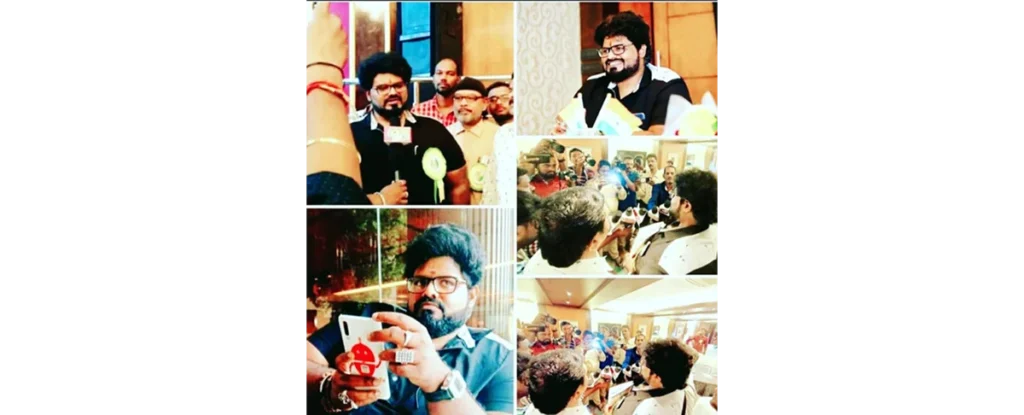
A Conversation About Directors’ Rights
Varma also emphasizes that the discussion should not be viewed as a conflict between directors and producers.
Producers invest capital, manage production and distribution challenges, and carry significant financial and commercial risks. Their interests therefore remain an essential part of any filmmaking agreement.
At the same time, Varma believes that the director’s creative contribution can be recognised through transparent and mutually agreed contractual terms.
The discussion also connects with broader conversations within the entertainment industry about copyright, royalty and economic rights for creative professionals, including composers, lyricists and other contributors.
Varma believes directors should also have a place in this wider conversation about creative rights and long-term value.
Why Directors’ Royalty Could Become a Discussion Point
The changing commercial life of a film makes the subject particularly relevant. A movie may continue finding audiences long after its theatrical release through OTT platforms, television, digital distribution, international markets, dubbing and licensing.
Additional commercial opportunities can also emerge through remake, adaptation and other intellectual-property rights, depending on the contractual structure surrounding a project.
For emerging filmmakers in particular, the issue can be significant. Directors may spend years developing stories, building creative portfolios and establishing their careers before receiving an opportunity to direct a feature film.
A contractual framework that allows directors to negotiate both upfront remuneration and defined participation in future exploitation could potentially bring greater clarity to filmmaker agreements.
From Directors’ Day to Directors’ Recognition
At the heart of Vickram Suria Varma’s argument is a straightforward question: Should the creative architect of a film have a contractual opportunity to participate in the long-term commercial value created by that film?
For Varma, the conversation is not about taking away from existing stakeholders. Instead, it is about considering how filmmaking contracts can evolve alongside the changing economics of cinema.
As films increasingly have extended commercial lives across multiple platforms, the concept of Directors’ Royalty could become an important subject for future industry discussions.
The broader message is equally significant: recognition for directors may extend beyond credits and upfront remuneration to include discussions around rights, royalty, welfare and long-term professional recognition.
Directors’ Day → Directors’ Rights → Directors’ Royalty → Directors’ Welfare → Directors’ Recognition
Watch and learn more:
YouTube Video – Directors’ Rights Discussion
YouTube Shorts – Directors’ Royalty Discussion