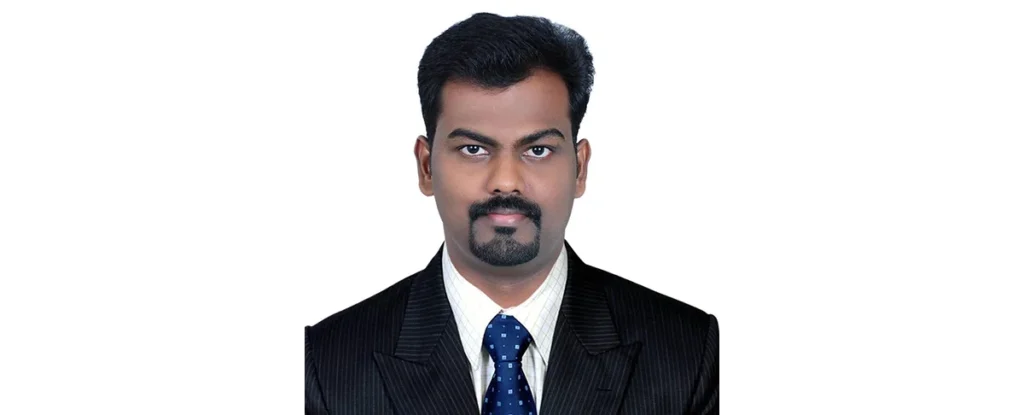
Dr. Shamin Eabenson Highlights Why Biomedical Waste Management Awareness Is Essential for Future Healthcare Professionals
By Dr. Shamin Eabenson
MBBS, MD (Community Medicine)
Founder & Director – Eabenson Healthcare Private Limited
In today’s rapidly evolving healthcare landscape, patient safety extends far beyond diagnosis and treatment. One of the most overlooked yet critical aspects of healthcare is biomedical waste management. Every syringe, dressing, laboratory sample, and disposable medical item must be handled with precision to prevent infections, protect healthcare workers, and preserve the environment.
As a Community Medicine specialist, Dr. Shamin Eabenson believes that biomedical waste management is not merely a regulatory obligation—it is a professional responsibility that every medical student and healthcare worker must embrace from the very beginning of their career.
A recent research study conducted by Dr. Shamin Eabenson among undergraduate medical students in North Karnataka highlights the current level of awareness regarding biomedical waste management and emphasizes the urgent need for continuous education and practical training. The findings reveal that while awareness is steadily improving, there are still important knowledge gaps that need to be addressed through structured medical education and ongoing professional development.
Why Biomedical Waste Management Matters
Biomedical waste (BMW) includes waste generated during the diagnosis, treatment, immunization, or research involving humans and animals. According to the study, India generates approximately 1.5 to 2 kilograms of biomedical waste per hospital bed every day, making effective segregation and disposal a major public health priority. Improper handling can spread infectious diseases, contaminate water and soil, and expose healthcare workers to hazardous pathogens.
The World Health Organization (WHO) has repeatedly emphasized that poor waste management contributes significantly to occupational injuries and infections among healthcare professionals. Safe disposal practices are directly linked to better infection control, workplace safety, and environmental protection.
Awareness Is Improving—But There Is Still Work to Do
The research revealed encouraging findings regarding biomedical waste awareness among medical students.
Approximately 65.6% of participants reported that they were aware of biomedical waste generation and existing legislation, while 90% believed that understanding biomedical waste hazards and regulations is essential for every healthcare professional.
Knowledge regarding waste segregation also showed positive results. Nearly 72.8% of students were familiar with biomedical waste color coding, and over 70% stated that they follow proper color-coding practices during waste disposal. Additionally, 88% agreed that infectious waste should be sterilized through autoclaving before shredding and disposal, demonstrating a strong understanding of infection prevention protocols.
However, the study also identified several knowledge gaps. A significant number of students were uncertain about transportation permits, waste storage duration, and certain color-coding guidelines, indicating that continuous education remains necessary.
Education Makes the Difference
One of the most important observations from the research was that students who possessed better knowledge about biomedical waste legislation also demonstrated significantly better understanding of waste segregation practices. The study further found positive associations between place of residence and awareness levels, emphasizing the importance of structured education and training across different backgrounds.
Biomedical waste management cannot be mastered through theoretical knowledge alone. Practical demonstrations, simulation-based learning, hospital postings, workshops, and Continuing Medical Education (CME) programs play a crucial role in preparing future healthcare professionals for real-world responsibilities.
Building a Culture of Responsibility
Safe biomedical waste management is not the responsibility of doctors alone. Nurses, laboratory technicians, housekeeping staff, hospital administrators, waste handlers, patients, and even visitors all contribute to maintaining a safe healthcare environment.
The research reinforces that biomedical waste management should be viewed as a team effort where every stakeholder understands their role in preventing infection and protecting the environment. Healthcare institutions must also invest in regular training, monitoring systems, and strict compliance with Biomedical Waste Management Rules.
The Way Forward
As India’s healthcare infrastructure grows, biomedical waste generation will continue to increase. The solution lies in creating awareness from the earliest stages of medical education.
Medical colleges should integrate practical biomedical waste management training throughout the MBBS curriculum. Regular assessments, refresher workshops, and awareness campaigns can help ensure that future doctors develop safe practices as lifelong professional habits.
Protecting public health begins long before a patient receives treatment—it starts with responsible healthcare practices behind the scenes. Proper biomedical waste management not only safeguards hospitals but also protects communities, ecosystems, and future generations.
About Dr. Shamin Eabenson
Dr. Shamin Eabenson is an MBBS, MD (Community Medicine) and the Founder & Director of Eabenson Healthcare Private Limited. His work focuses on preventive healthcare, public health research, healthcare education, and community awareness initiatives aimed at improving healthcare quality and safety across India.
Professional Enquiries
Dr. Shamin Eabenson
Founder & Director – Eabenson Healthcare Private Limited
📞 Phone: +91 7550086817
📧 Email: drshamin123@gmail.com
🌐 Website: https://eabensonhealthcare.com/
🔗 LinkedIn: https://www.linkedin.com/in/dr-shamin-eabenson-1a55811b3/